


“Online casino games” is a broad label. A slot, a live baccarat table and a digital roulette game may appear in the same menu, but they ask different things of the player. One uses reels and a paytable. Another follows a dealer through a video stream. A third presents a computer-rendered table with its own betting controls. Understanding the format before looking at a particular title makes the catalogue easier to navigate.
This guide explains the main casino game categories a visitor in Thailand may encounter, the information to look for on each game screen and the differences between a live table and a digital version. It is an overview of game formats, not a prediction of results. Availability, rules and stake ranges can change by provider and title, so always check the specific game you open.
Start with the game format, then inspect the title
A useful first question is whether the outcome comes from a reel-based game, a dealt card game, a wheel game or another interactive format. A familiar name can hide meaningful differences. Two versions of roulette, for example, may use different wheel layouts or offer different side bets. Two slot titles can have entirely different reel structures and bonus features.
Before committing time or money, find the game’s rules or information button. Look for the available stake range, the way a round begins and ends, the paytable or payout schedule, and any feature-specific conditions. On mobile, this information may sit behind an “i” icon or a menu rather than on the main game screen. If the rules are hard to read, use another device or ask support where the full information appears.
It also helps to separate the game’s rules from the website’s account and promotion terms. A game rules panel can explain a payout. It does not necessarily explain whether the game counts toward a particular promotion or how a withdrawal works.
Slots: reels, symbols and feature rules
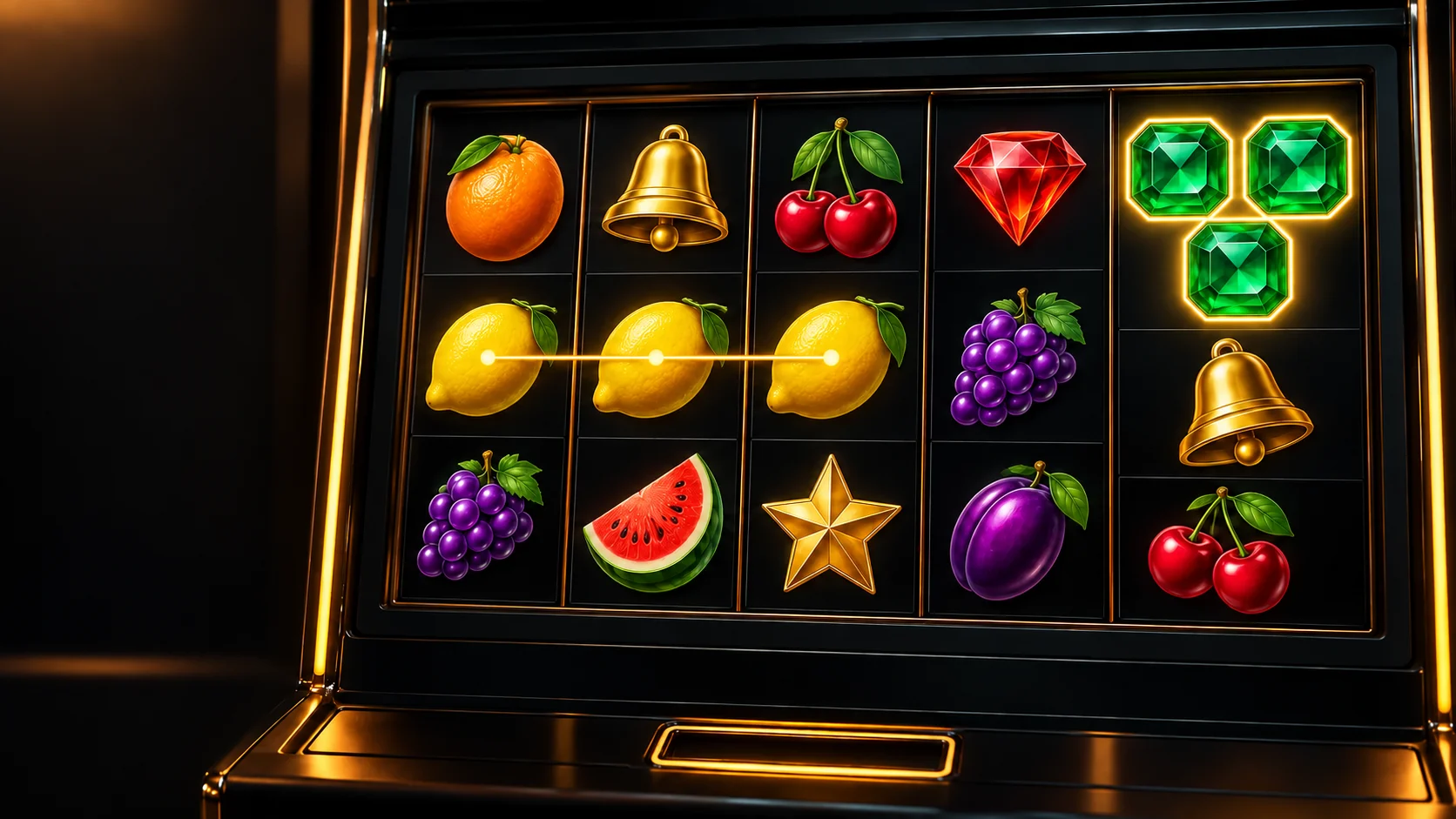
Online slots generally display reels or grids with symbols that form paying combinations under the title’s rules. Classic-style games may have fewer reels and simpler paytables. Video slots may add expanding symbols, multipliers, free-spin rounds or other features. The artwork tells you very little about how frequently a feature appears or what a round may cost.
Open the paytable and check how wins are formed. Some titles use fixed paylines; others use “ways” or cluster arrangements. Check whether the displayed bet is the cost of one complete spin and whether changing the stake changes the value of a feature. Read any special-symbol explanation instead of assuming a wild, scatter or bonus symbol works the same way in every title.
You may see return to player, or RTP, in a game’s information screen. It describes a theoretical return calculated over a large number of rounds under specified conditions. It does not predict the result of a short session or guarantee that an individual player receives that percentage. Volatility describes a different idea: how a game’s payouts may be distributed. Our separate Thai slots guide explains those terms in detail. For a precise figure, use the information screen for the specific game version.
A practical choice is to start with a title whose rules you can explain back to yourself. If you cannot tell what the stake buys, what triggers a feature or how a payout is calculated, the artwork should not be the deciding factor.
Live dealer games: a streamed table with a defined betting window
Live dealer games show a video feed of a person dealing cards or operating a table. Your choices are made through an interface while the stream shows the round. Baccarat, blackjack and roulette are common examples. Some rooms offer several camera angles, language options or table limits; others keep the interface quite simple.
The most important practical difference from a digital game is the round’s timing. A live table usually has a betting window. When that window closes, the interface should stop accepting the next wager for that round. On a slow connection, a video feed can lag behind the betting controls. Pay attention to the displayed round number, countdown and confirmed wager rather than relying only on what you think you saw in the stream.
Read the table limits before joining. A room’s minimum stake may be different from another room offering the same game. The available side bets and their payouts can also differ. If a hand or spin is disputed, keep the round identifier and contact support through the site’s documented channels. A clear record is more useful than trying to reconstruct the outcome from memory.
A live dealer adds the pace and atmosphere of a physical table, but the basic questions remain: What are the rules, what is the stake and what happens when the round ends?
Digital table games: familiar names, software-run rounds
Digital table games present cards, dice or a wheel through graphics rather than a live camera. A software-run baccarat game may allow a round to begin as soon as you make a selection, while a live baccarat table waits for a shared betting window. The interface can also show the rules and previous rounds differently.
Do not treat the digital and live versions as interchangeable merely because they share a game name. Open the rules for the exact version. Check its betting options, card or wheel format, payout schedule and minimum and maximum stakes. If there is an autoplay or repeat-bet control, understand what it will do before enabling it.
For baccarat, the common choices are Player, Banker and Tie, but the available side bets and their payouts depend on the table. ChokD99 has a separate baccarat section if that is the category you want to explore. A digital version can be convenient for reading at your own pace; a live version may suit someone who prefers to watch a dealt round. Neither format removes the need to read its own rules.
Roulette and blackjack: check the version before comparing
Roulette is a good example of why the word “table game” is only a starting point. A European-style wheel and an American-style wheel have different pocket layouts, and that affects the underlying mathematics of standard bets. The format may also include special rules or optional side bets. Check the wheel shown in the game and the payout table for the bet you are considering.
Blackjack versions likewise vary in details such as the dealer’s actions, splitting, doubling and insurance. Those details matter more than a familiar green table graphic. A rules screen should explain when you may take each action and how a finished hand is settled. If a variant adds a special side bet, read it as a separate bet with its own rules.
Neither recent results nor a sequence of outcomes tells you what the next independent round must be. A history panel can help you identify or review earlier rounds, but it is not a reliable forecast. Use the rules and displayed bet confirmation to understand the game you are actually playing.
Fishing and other arcade-style games
Some casino menus include fishing games or other arcade-style titles. These may ask you to select a target, choose a weapon or control repeated actions. Their mechanics differ substantially from both slots and tables, so avoid assuming that an on-screen point total is the same as a cash amount or that every shot has the same cost.
Before using an unfamiliar title, check how credits are converted, what each action costs, whether any automatic-fire setting continues spending credits and how the game records a completed round. If the information is unclear, pause and find the rules or ask the site’s support team. Familiar-looking arcade graphics can make a game feel simple even when its scoring and cost structure are not.
How to compare a game without relying on marketing labels
“Best,” “popular” and “easy” are opinions unless the page explains what they mean. A more useful comparison records concrete features. Ask these questions for any title:
- Can I find the complete rules and payout information for this exact version?
- What does one round or action cost at the stake I selected?
- Are there optional side bets, repeat controls or features that change the cost?
- Does the game show a clear confirmation and history for completed rounds?
- Does the interface work clearly on the device and connection I am using?
- Where can I report a disputed round with its identifier?
There is no need to choose the busiest interface or the largest catalogue. The most useful category is one whose rules, pace and controls you understand. A concise notes list can prevent confusion when moving between providers that use similar names for different features.
Promotions and responsible limits apply across categories
If you intend to use an offer, read the specific promotion terms before choosing a game. A promotion may treat slots, live tables and digital tables differently for wagering purposes, or may exclude particular titles. The game’s own paytable does not answer that question. Check the offer’s eligible games, contribution rules, stake limits and expiry details separately.
Set a spending and time limit before starting a session, regardless of the category. Switching games does not reset a loss or improve the chance of recovering it. ChokD99’s responsible gaming page explains the account controls and support routes it describes. If a session no longer feels manageable, use those options and stop.
The useful distinction is how each round works
Slots rely on a title-specific reel and paytable structure. Live dealer games follow a streamed, timed table. Digital table games use software-run rounds and may have different controls even when their names sound familiar. Fishing and arcade-style titles add their own scoring and action costs. Those differences are more useful than a broad “casino game” label when deciding what information to read.
Before choosing any online casino game in Thailand, open the specific rules, confirm the stake, understand the controls and keep the site’s account and promotion terms separate from the game’s payout information. That short check gives you a clearer basis for a decision than a banner or an attractive thumbnail.